Loughcrew House, Co. Meath
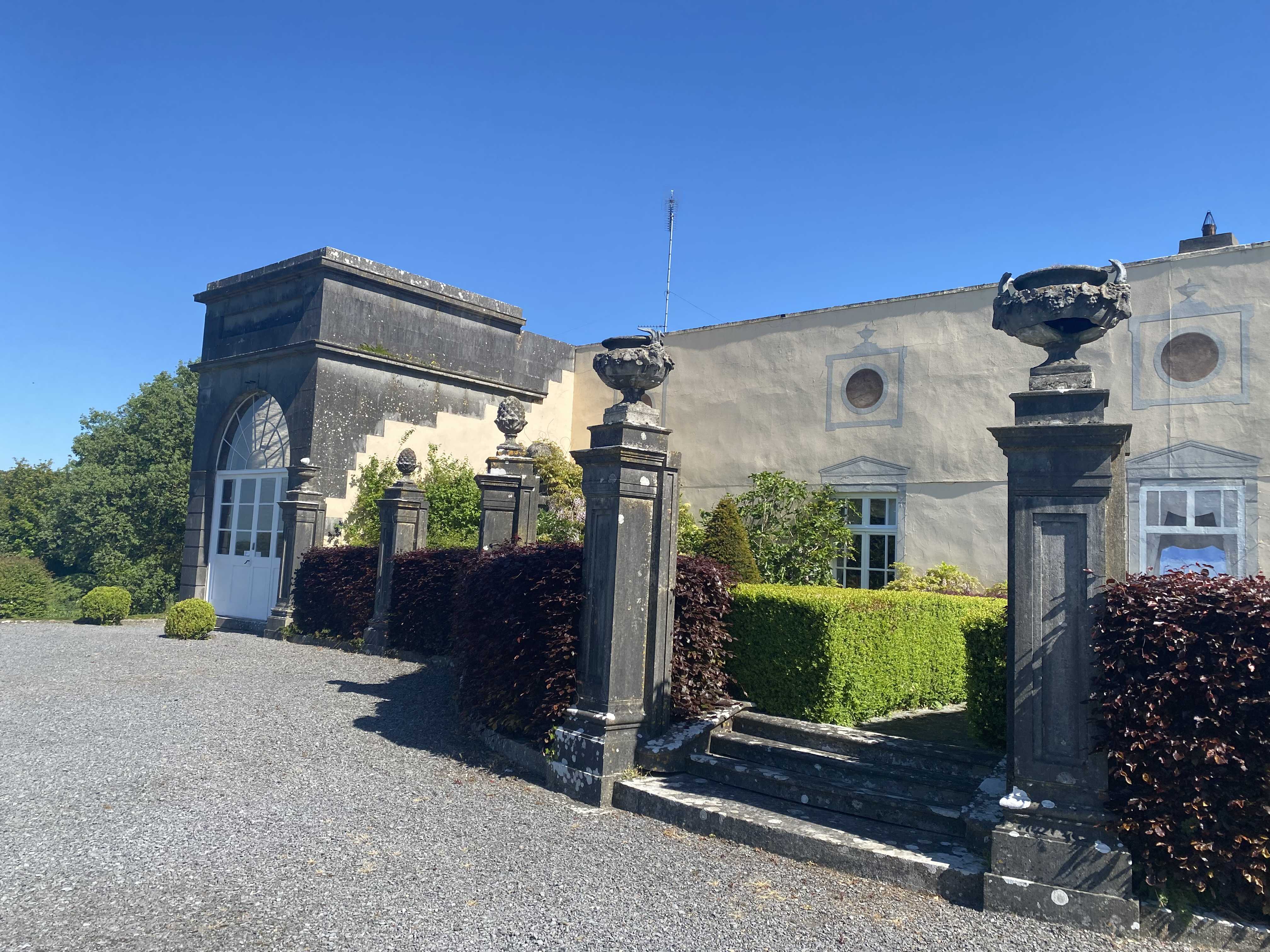
The house and gardens at the Loughcrew Estate originate in the 17th century, forming a designed landscape of exceptional historic, archaeological, and ecclesiastical significance. The wider estate encompasses a medieval Anglo-Norman motte, St. Oliver Plunkett’s family church, and a sequence of formally arranged historic gardens.
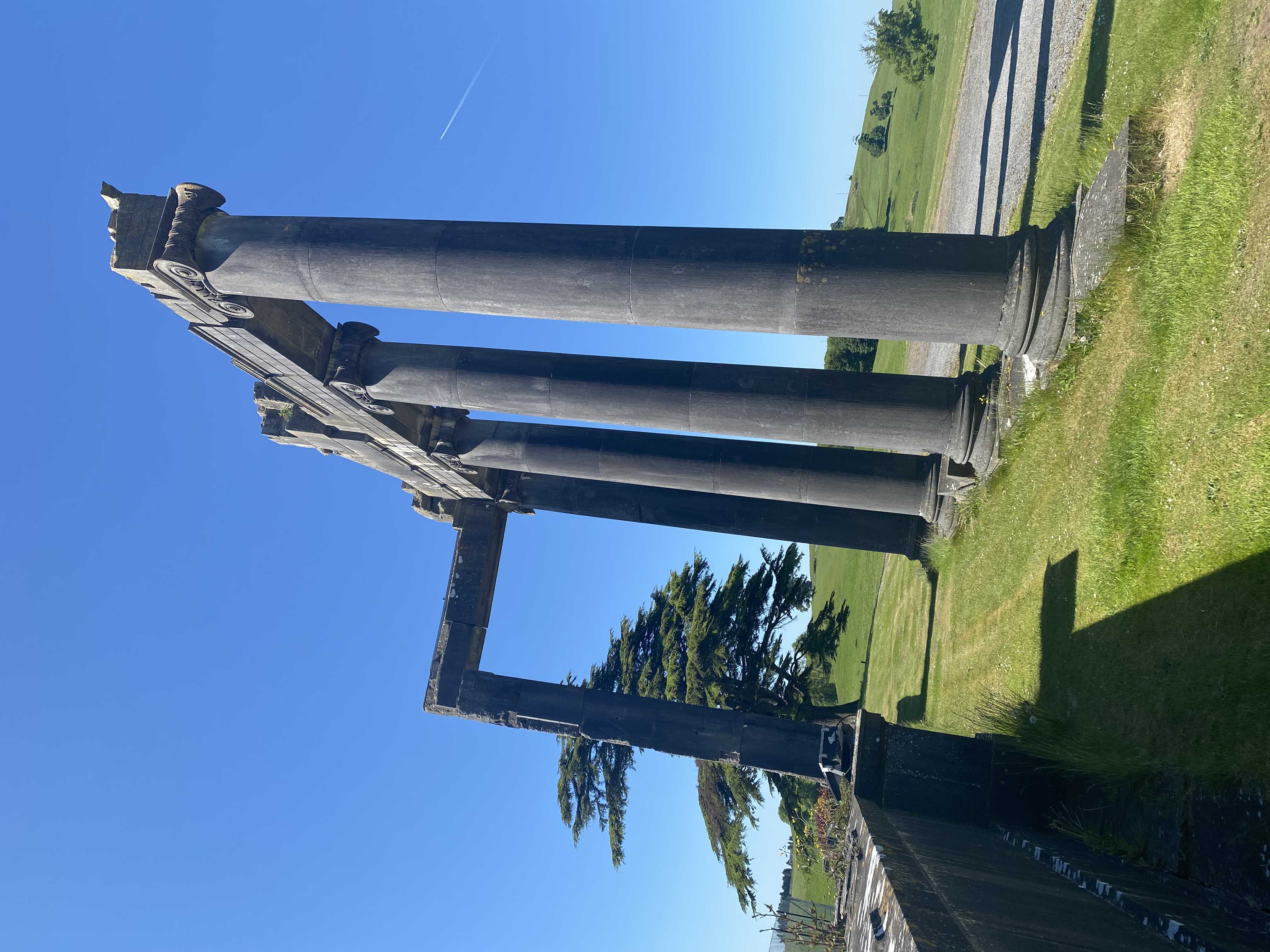
The original house, designed in the early 1820s by Charles Robert Cockerell, was conceived in a restrained neo-classical idiom. Following three destructive fires, the final occurring in 1964, the principal remains were dismantled, with only the Greek Ionic portico surviving as a fragmentary marker of the former building’s footprint and architectural intent.
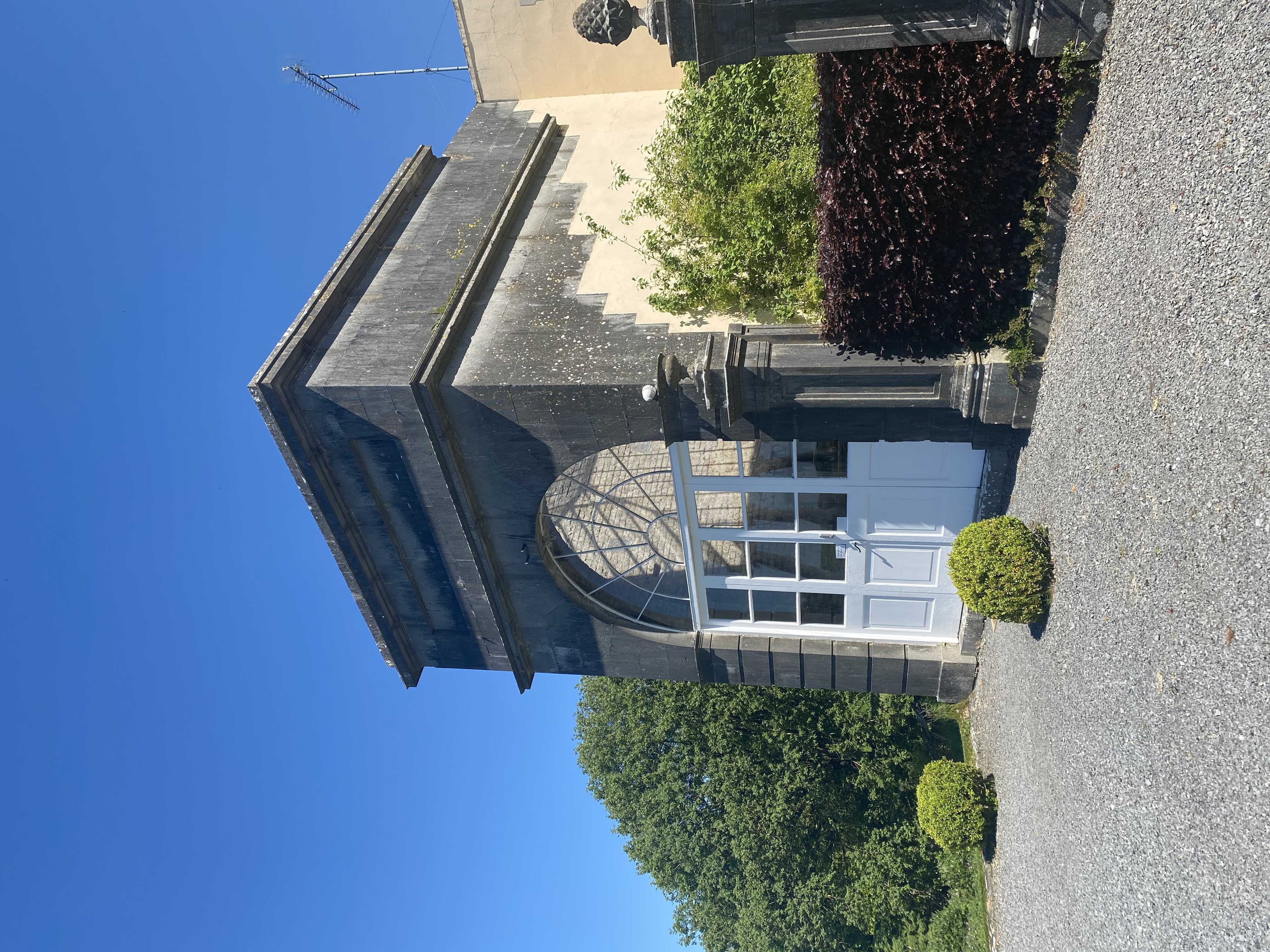
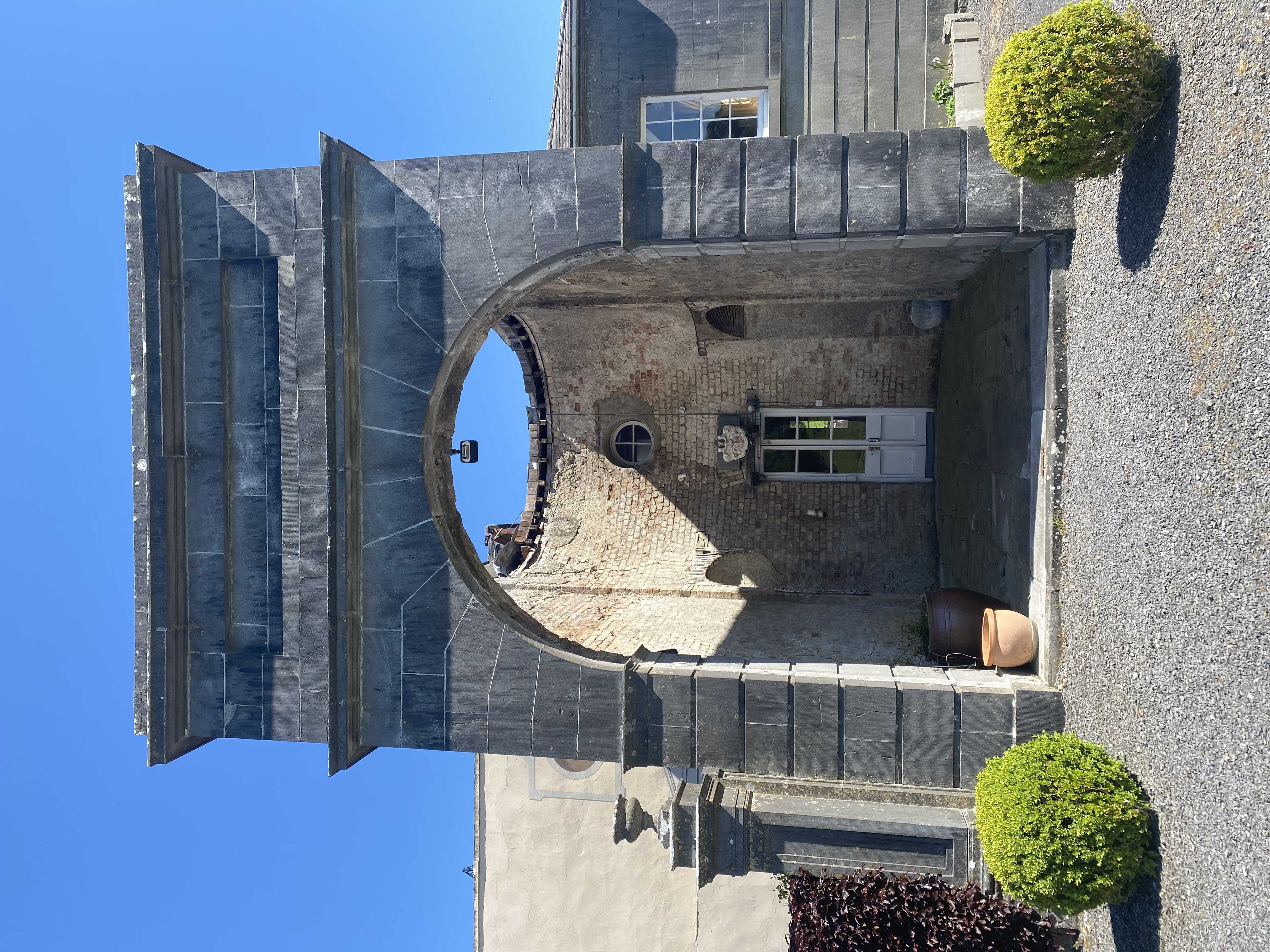
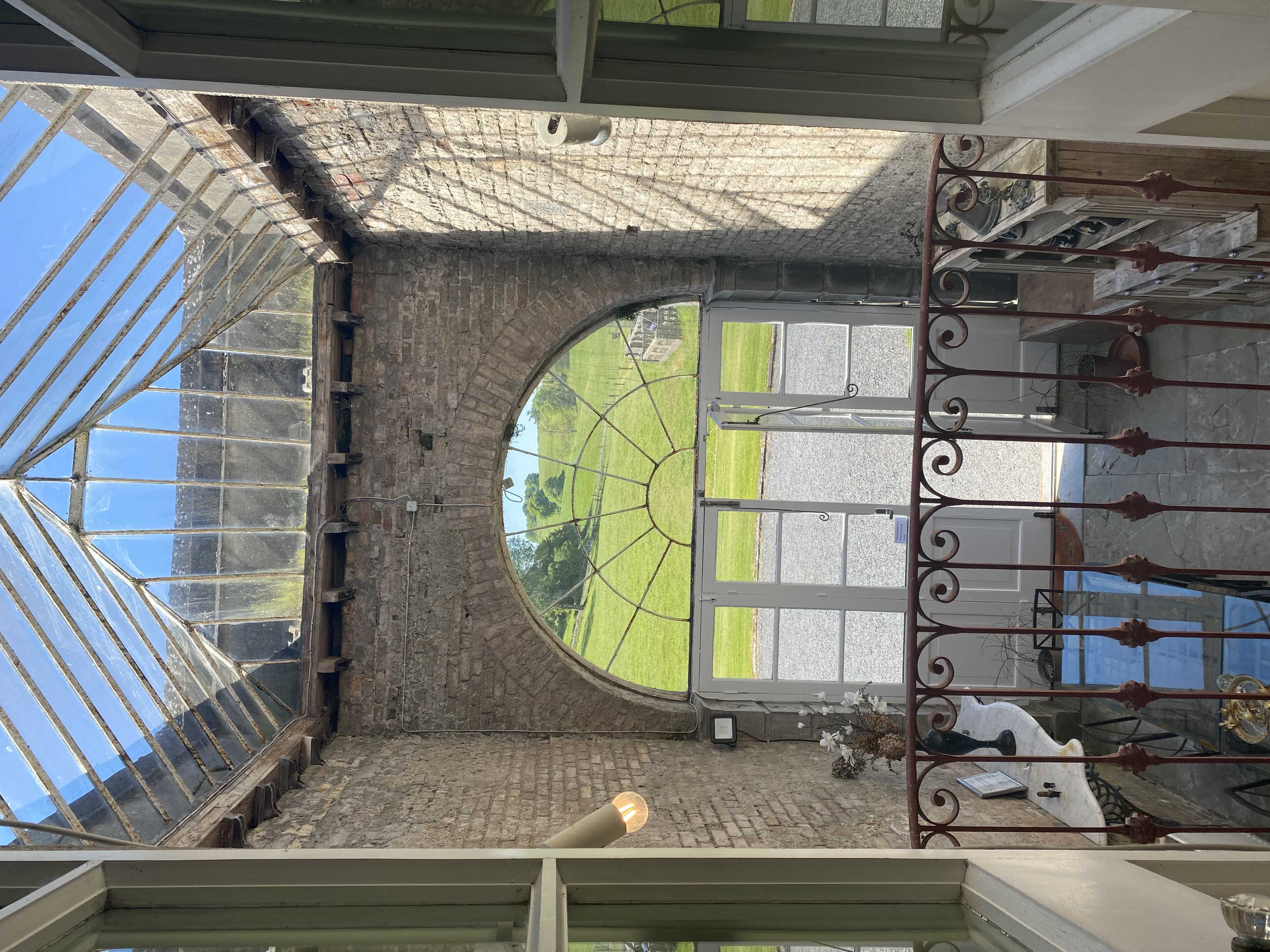
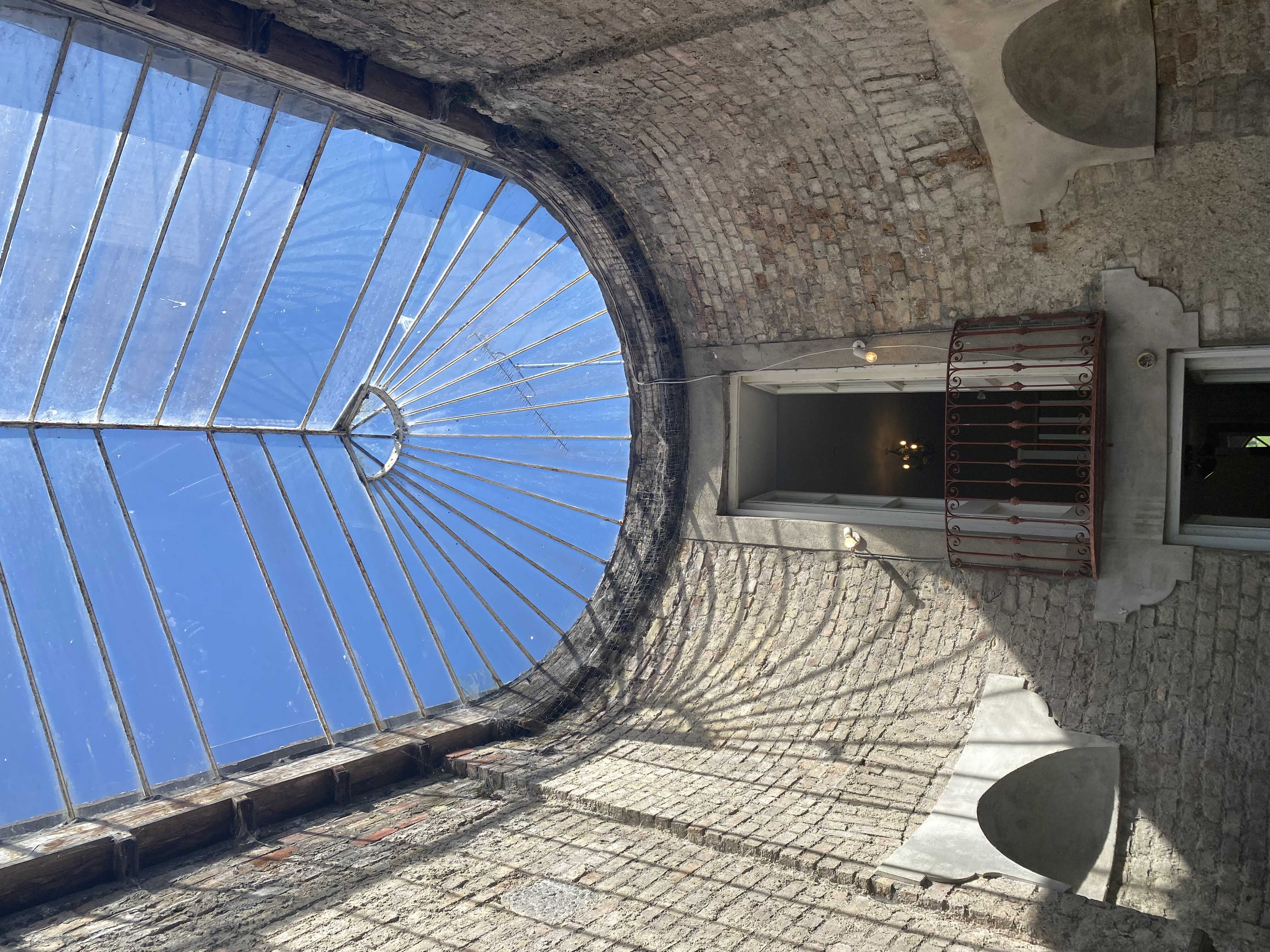
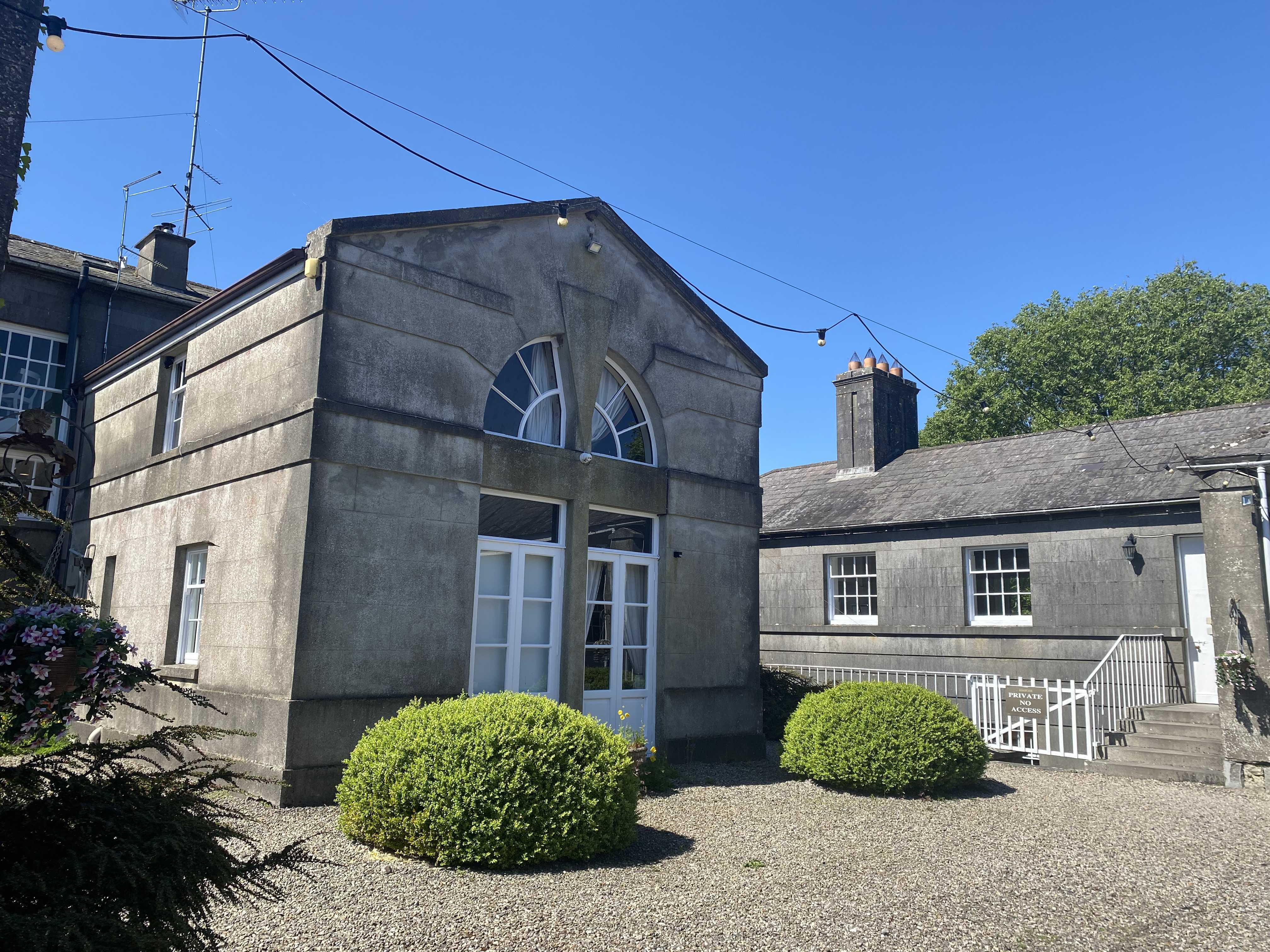
We were asked to provide advice on the conservation and remedial works to the historic orangery and pavilions, working in close collaboration with a specialist traditional blacksmith to assess, document, and guide the repair and retention of the surviving original ironwork.